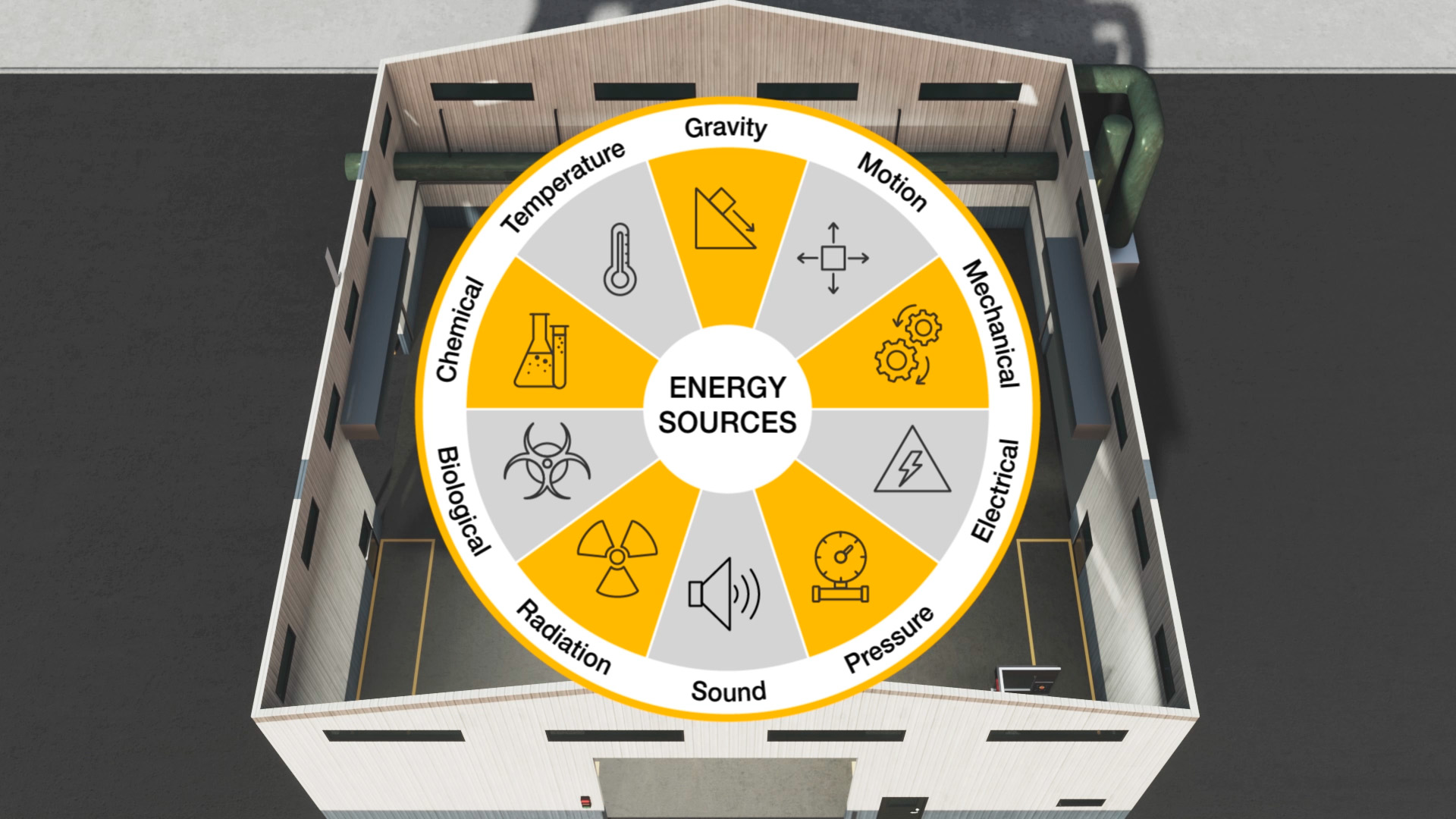
Training teaches people what to do. It doesn't always change what they actually do on a Monday morning. For complex or high-stakes work, clear visuals and animation help close that gap, so knowing turns into doing.
The problem
Most programs track who showed up and who finished the course. Few track whether anything changed on the job. In technical work, knowing the steps rarely changes results on its own. People need the right help, at the right moment, in a form they can follow.
Two things worth separating
Training: a course, workshop, or manual that teaches.
Support on the job: short, role-specific material people can pull up when they need it, so they do the task right.
Three reasons visuals and animation help
- Pictures plus narration help people pick up practical skills faster and use them at work.
- When everyone sees the same picture, everyone builds the same understanding. That matters most for complex processes with many hands on them.
- Watching a worked example, step by step, makes it more likely people will repeat it correctly on the job.
Why it pays off
When people get up to speed faster, they're productive sooner. When they do the job better, sales and service improve. When they make fewer mistakes, you spend less on rework and compliance problems. The best creative work aims at the moments where people make decisions, because that's where results are won or lost.
What this looks like in practice
• A short explainer for each role, built around the decisions that role makes.
• An animated walk-through that shows the right way, and the common ways it goes wrong.
• Practice scenarios that feel like the real job.
• Short modules and visual job aids people can search when they're stuck.
• Videos and visuals you update and reuse, instead of filing them away.
How Broken Pencil Studios helps
We make clear, reusable videos and visuals that slot into the training and communication you already run. That can look like:
- Explainer videos: short animations for specific roles, so people understand faster and decide with confidence.
- Creative Services Subscription: ongoing creative support (minimum 25 hours a month) so your materials stay current as things change.
- Learning, training, and R&D: educational media and visuals for universities and researchers that make complex ideas clear.
- 3D animation: technical visuals that show how complex equipment and systems work.
- Marketing and advertising: stories that win support from your own team and your customers.
Why a studio partner helps
A good studio partner talks to the people who will use the work, understands how people learn, and sets things up so updates are quick. That's how creative work changes what people do, instead of just decorating a course.
Your next step
Tell us which process or message your team keeps getting wrong. We'll tell you honestly whether video would help. Book a 15-minute call.