Who this is for
This article is for teams considering an animated explainer video and wanting to understand what the process looks like before production begins.


Project & Development Manager
This article is for teams considering an animated explainer video and wanting to understand what the process looks like before production begins.
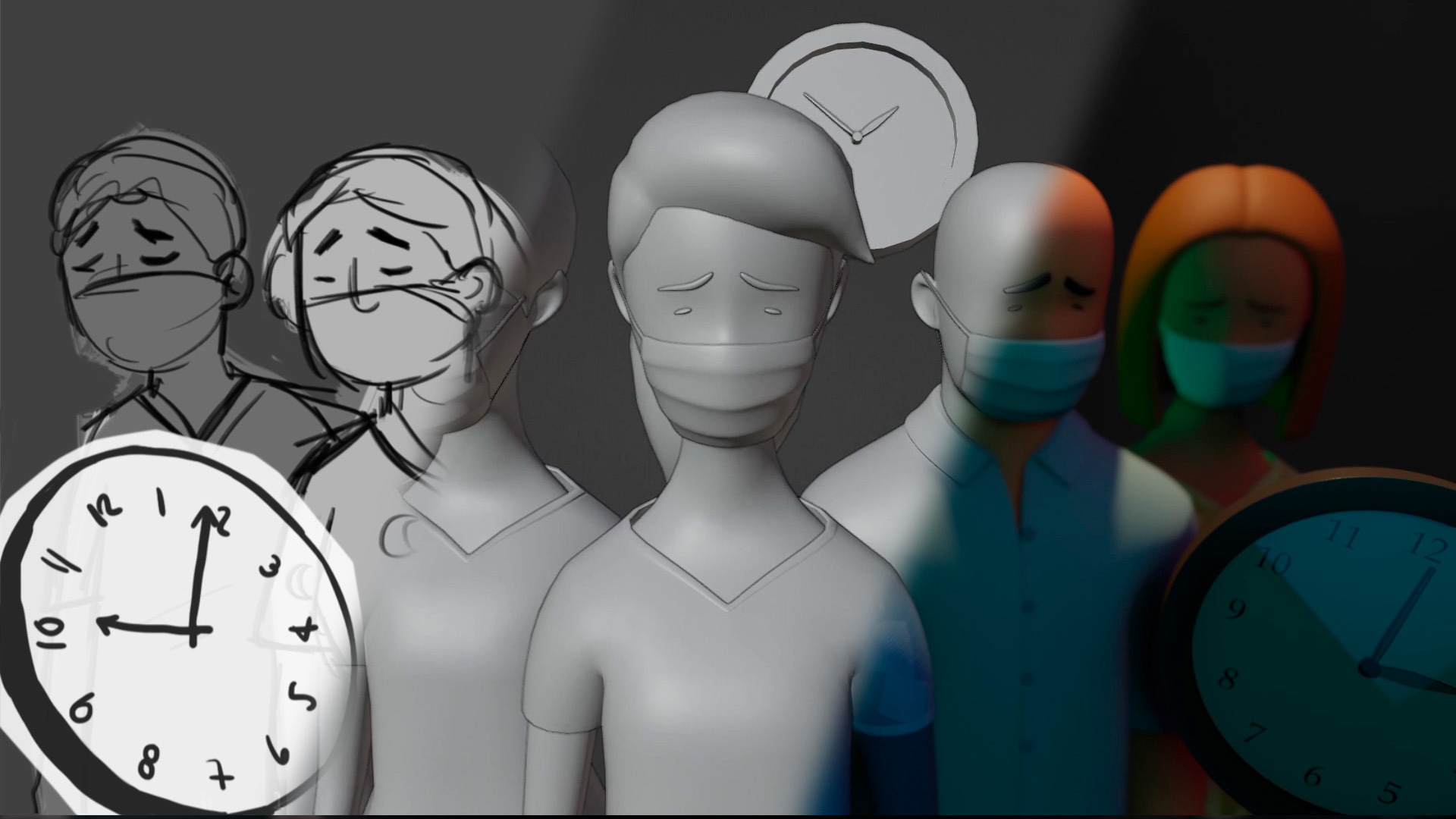
Every animated video starts the same way: a blank page, a pencil and an idea.
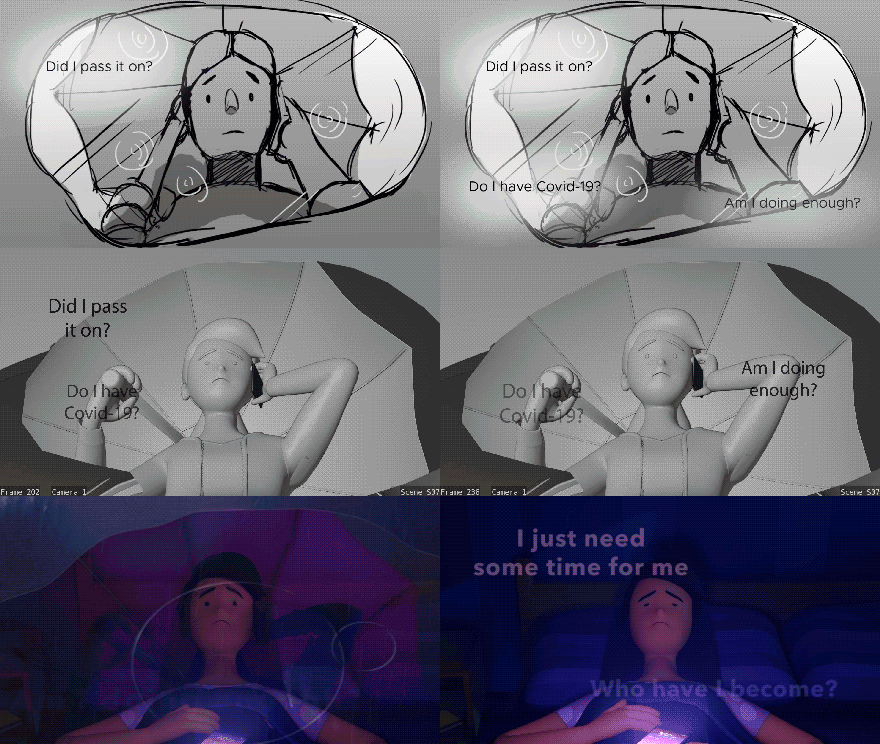
But how does a rough sketch become a finished video people remember? Here's exactly how we do it, from the first conversation to the final file. The frames in this post come from our project with the University of Calgary on long-term care workers.
Every project starts with a conversation, not a storyboard. We ask about your goals, your audience, and what you want people to feel, remember or do after watching.
This is where we find the why behind the video. Before we draw a single frame, we need to know the story we're telling.
Tip: our free brief template asks the same questions we ask here. Filling it in first makes this step faster.
Next, you get a plan with every stage, every review point and your delivery date. You'll know when we need your feedback and when you'll see each draft before any work begins.
Our writers turn the goals into a script. Every line balances clarity with feeling, whether the tone is funny, warm or serious.
Tip: the best explainer scripts don't try to say everything. They focus on one message people can grasp right away.
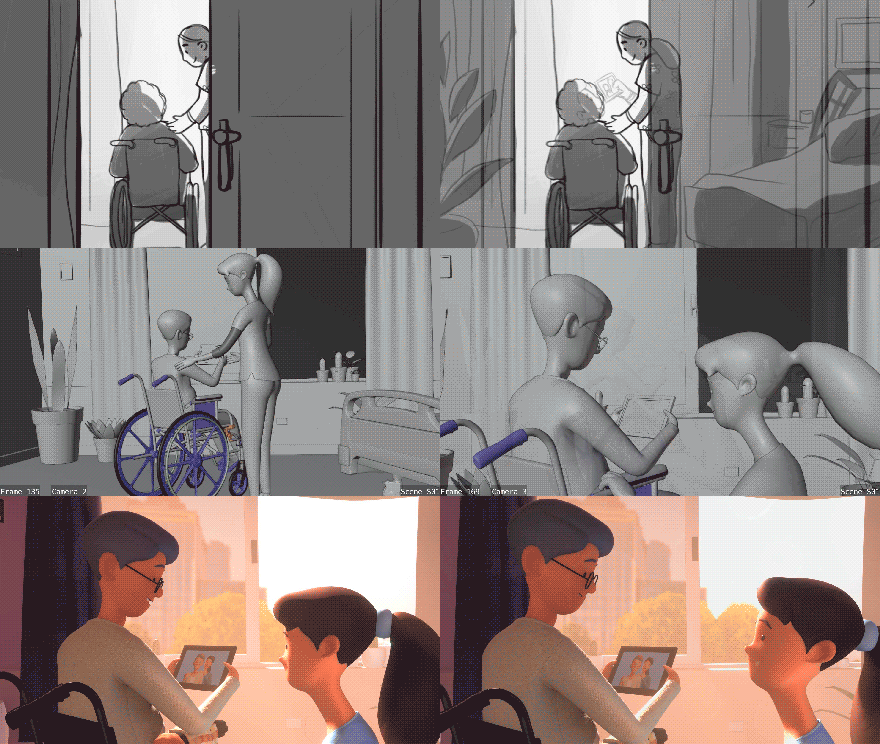
Our illustrators sketch the script into panels, like a comic book. Alongside it, a moodboard shows the colours and style we're aiming for.
The storyboard is the blueprint for everything that follows. It's rough on purpose: big ideas, quick lines, easy to change.
Review point: storyboard. This is the best moment for big story changes. Once you approve it, the story is set, and we move into design.
Now we design the characters, backgrounds and objects. We also make a few finished still frames so you can see exactly how the video will look.
Sleek and corporate or playful and hand-drawn, every colour and shape is chosen to feel like your brand.
We time the storyboard to a temporary voice track. It's a rough version of the whole video, and it lets you check the pacing before anything is animated.
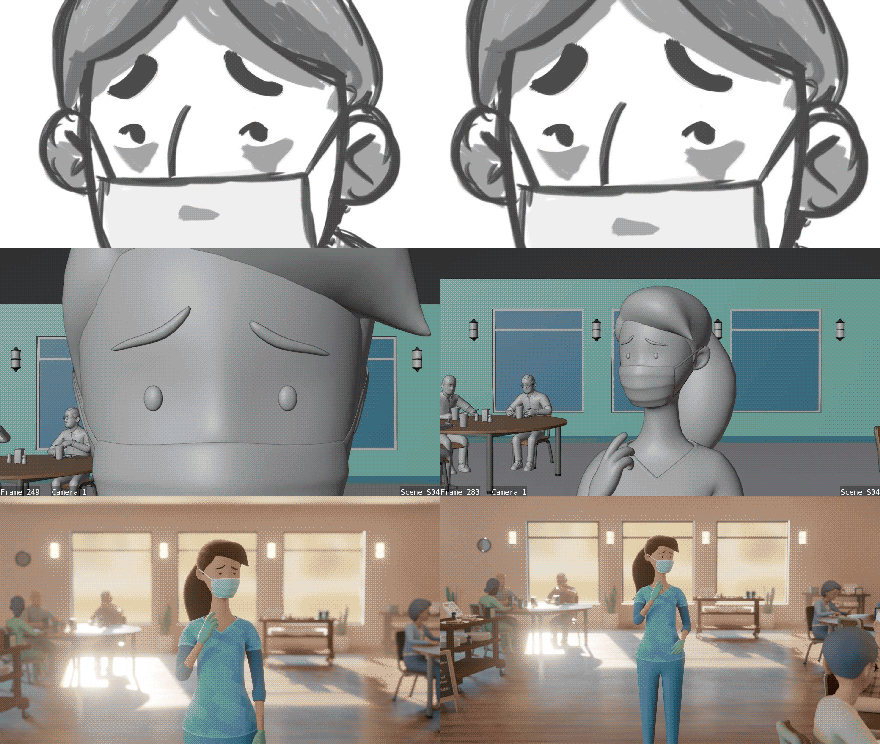
Our animators bring the designs to life, adding timing, movement and personality. A well-timed movement can say more than a paragraph of narration.
Then the professional voiceover, music and sound effects go in, and the whole thing clicks into place.
Review point: animation draft. You see the full video in motion and send your notes.
We make your final changes and deliver the video in the formats you need: website, social media, presentations or broadcast, with captions if you want them.
Review point: final cut. You approve, and it's yours.
A good explainer isn't a one-time project. It keeps working on your website, in sales calls and in training for years.
Most short explainers take about 4 to 6 weeks from kickoff to final cut. The biggest thing that speeds it up or slows it down is how quickly feedback comes back at each review point.
Each review point includes a set number of revision rounds, agreed in your project plan. That keeps your timeline and budget where we said they'd be.
Behind every frame is a team of artists, writers and problem-solvers. We started as a small drawing workshop, helping people express themselves through art. That same spirit drives everything we do: turning ideas into stories that inform, inspire and connect.
Because even the simplest scribble can become something beautiful.
Broken Pencil Studios helps teams turn technical, strategic, educational, and emotional ideas into visual content that is easier to understand.
Book a discovery call to explore how animation and visual storytelling can help your audience understand what matters faster.
